

When maintaining large gardens, parks, or commercial landscapes, one of the most frequent procurement questions is: should we use manual trimmers or motorized strimmers? Both have their strengths, but choosing the right option can make a significant difference in productivity, cost, and operator fatigue.
For distributors and OEM buyers, understanding the key performance trade-offs helps build a product line that meets diverse customer needs—from small residential maintenance to heavy-duty municipal work.
1. The Basics: What’s the Difference?
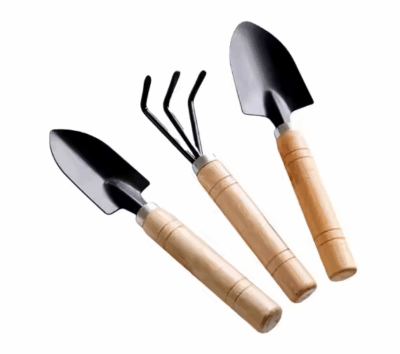
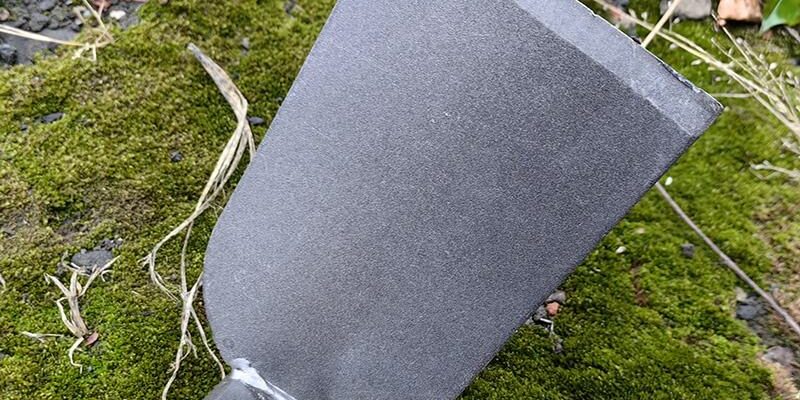
A manual trimmer (such as a sickle or hand clipper) relies entirely on human force. It’s simple, low-maintenance, and quiet—ideal for small-scale or noise-restricted areas.
A strimmer (string trimmer or brush cutter) uses an electric or petrol engine to rotate a nylon line or blade at high speed, cutting through grass, weeds, and light brush.
Motorized strimmers outperform manual tools in speed and reach, but they require more maintenance and upfront investment.
2. Productivity: The Numbers That Matter
A professional-grade strimmer can cover up to 10 times the area of a manual trimmer per hour. For contractors handling multiple sites or large estates, the difference in labor cost quickly outweighs the higher purchase price.
That’s why professional buyers sourcing from verified Strimmer Manufacturers focus on durability and service life—key metrics that determine ROI in commercial landscaping operations.
3. Power Sources: Electric vs. Petrol
Motorized trimmers come in two main categories:
Electric (corded or battery): Lightweight, low noise, zero emissions—best for residential or urban projects.
Petrol (2-stroke or 4-stroke engines): Higher torque, longer runtime, ideal for dense vegetation and remote areas.
For OEM customization, suppliers can offer flexible battery standards (18V, 36V, 48V) or fuel engine configurations to match regional market preferences.
4. Maintenance and Lifecycle
Manual tools have almost no maintenance costs beyond sharpening. Strimmers, however, require periodic attention—air filters, spark plugs, belts, and fuel mixture checks.
To offset this, reliable factories provide long-life gearboxes and reinforced nylon heads designed for quick replacement. Buyers can also request spare part kits bundled in OEM orders, ensuring after-sales support without extra logistics cost.
5. Safety and Ergonomics
Strimmers operate at high speeds and require safety precautions—eye protection, gloves, and secure harnesses.
Modern professional models integrate anti-vibration systems, shoulder straps, and soft-start features to minimize strain during prolonged use. Handles should align naturally with the operator’s posture to prevent wrist or back injuries.
For smaller-scale users, pairing strimmers with ergonomic manual tools sourced from trusted Garden Tool Manufacturers allows product lines to cover both professional and home-use markets.
6. Noise and Environmental Considerations
Noise and emissions are key concerns for urban landscaping. Battery-powered strimmers produce under 80 dB of noise—roughly half of petrol units—and have zero direct emissions.
Buyers targeting EU or North American markets should ensure compliance with CE, EPA, and RoHS regulations. Manufacturers typically provide certification documentation upon request for each model.
7. Cost Comparison and ROI Analysis
| Tool Type | Initial Cost | Operating Cost | Coverage per Hour | Suitable For |
|---|---|---|---|---|
| Manual | Low | Minimal | ~100 m² | Small gardens |
| Electric Strimmer | Medium | Low | ~400–600 m² | Residential areas |
| Petrol Strimmer | High | Moderate | ~1,000+ m² | Commercial sites |
In large-scale operations, petrol or cordless strimmers pay off within the first season through reduced labor hours.
8. OEM Customization Options
OEM customization is now a core competitive advantage in the landscaping tool industry. Buyers can specify:
Engine type and power rating
Handle style and grip materials
Nylon head or metal blade configuration
Custom color schemes and branding decals
Retail packaging and accessory kits
Some suppliers even integrate battery-sharing platforms, allowing multiple tools to operate with the same battery system—ideal for professional fleets.
9. Durability and Field Testing
Before bulk orders, request performance test data such as:
Continuous runtime test (full load for 60 minutes)
Blade balance and vibration report
Drop and impact resistance test
IP rating for dust and water protection
Consistent testing guarantees product reliability in harsh field conditions.
10. Final Thoughts
Choosing between manual and motorized trimming tools is about balancing cost, efficiency, and maintenance expectations.
For small-scale projects, manual trimmers remain unbeatable in simplicity. But for large estates and municipal contracts, strimmers offer unmatched productivity, precision, and long-term value.
Partnering with experienced Strimmer Manufacturers ensures mechanical reliability, while collaborating with a professional Garden Tool Manufacturer network lets your catalog expand seamlessly—from trimming and edging to complete landscape maintenance solutions.