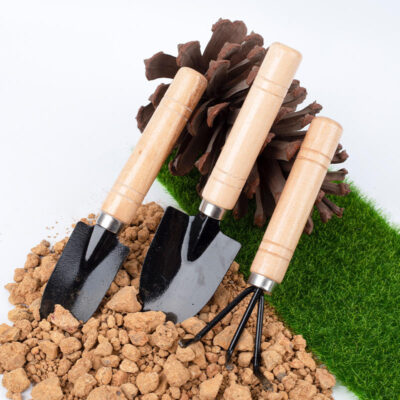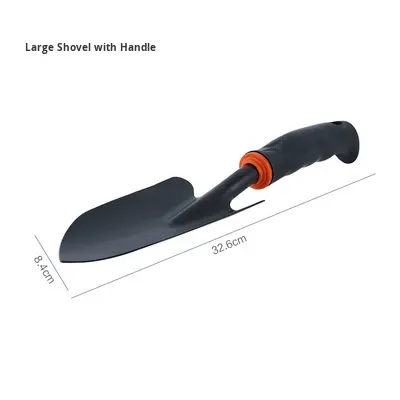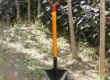


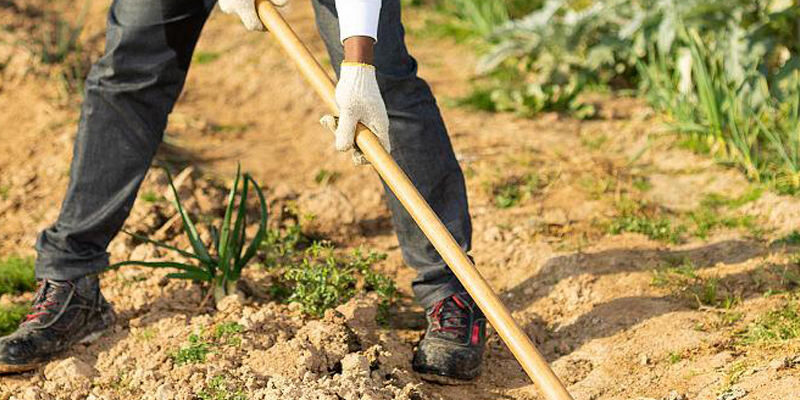
The garden fork may look simple at first glance, but its performance depends heavily on tine geometry—the length, spacing, and shape of its prongs. For professional landscapers and agricultural suppliers, understanding these details is key to ensuring efficiency, durability, and user comfort.
1. Why Tine Geometry Matters
Tines determine how easily a fork penetrates and lifts soil. Their angle and spacing directly influence both digging force and material retention. A small change—say, 5 mm in spacing or 3° in tine angle—can dramatically impact productivity.
For precise product specification, sourcing from trusted Garden Fork Manufacturers ensures access to standardized designs tested for various soil conditions, from compact clay to loose compost.
2. Types of Garden Forks and Their Functions
There are several types of garden forks, each optimized for a specific task:
Digging Forks: Heavy-duty, thick tines for breaking dense soil.
Border Forks: Smaller, lighter forks designed for narrow planting beds.
Compost Forks: Widely spaced tines for turning organic material.
Manure Forks: Curved tines for efficient lifting of straw or manure.
A well-curved tine minimizes friction while improving leverage, helping reduce fatigue during repetitive digging.
3. Tine Material and Hardness
Tines are usually made from medium-carbon steel or boron steel.
Medium-carbon steel (AISI 1045) offers balance between cost and durability.
Boron steel provides superior wear resistance for professional use.
Stainless steel prevents rusting but can be more expensive.
An optimal hardness range of 42–48 HRC ensures durability without brittleness. For OEM production, suppliers should provide hardness certificates and surface treatment records for each batch.
4. Tine Spacing and Length
Clay soil: Requires narrow spacing (25–30 mm) for penetration.
Loam soil: Medium spacing (35–40 mm) allows effective turnover.
Compost or manure: Wide spacing (45–55 mm) for easy aeration.
Longer tines (250–300 mm) provide deeper penetration but require stronger handles to absorb torque. Shorter tines (200–250 mm) are lighter, improving control for precision gardening.
5. Handle and Balance
The handle must counterbalance the tine weight. Fiberglass or ash wood handles provide both rigidity and comfort. Handles around 110–130 cm maintain ergonomic posture during digging, reducing lower-back strain.
Proper balance means the fork remains stable in the user’s hands, minimizing vibration during impact. Some factories now include ergonomic testing in their OEM programs to optimize user comfort before mass production.
6. Surface Coating for Corrosion Resistance
Garden forks endure high humidity, fertilizer exposure, and mud. A corrosion-resistant finish is non-negotiable.
Powder coating ensures durability against abrasion.
E-coating (electrophoresis) adds uniform rust protection even inside weld joints.
Zinc plating offers bright finish and cost-effective rust control.
If you’re planning a custom private-label collection, professional Custom garden tools programs allow you to specify coating color, gloss level, and surface texture to align with brand identity.
7. Testing and Verification
Quality assurance for forks should include:
Tine bend test: Apply lateral force to confirm elasticity.
Load test: Apply downward force equivalent to 2× rated load.
Salt spray test: Verify corrosion resistance for at least 48 hours.
Premium factories conduct torque and drop tests, replicating real-world field conditions to ensure the fork won’t twist or snap under heavy pressure.
8. OEM Customization Capabilities
For distributors or brands seeking differentiation, OEM customization can include:
Tine geometry (length, curve, spacing)
Branding (engraving or stamping on head or handle)
Coating color and anti-slip grip customization
Handle material (wood, fiberglass, steel)
Retail packaging (blister, hang tag, or carton set)
High-quality OEM partners also provide CAD design previews, rapid prototyping, and adjustable tooling for small-batch pilot runs before mass production.
9. Common Failure Points and Prevention
Failures often occur at the joint between tines and handle. The most effective prevention measures include:
Using thicker weld seams or riveted sockets
Heat treatment after welding to relieve stress
Reinforcement ribs along the tine base
Proper design and inspection help extend product lifespan by 30% or more.
10. Final Thoughts
A garden fork’s performance depends on the synergy between material quality, tine geometry, and ergonomic handle design. For industrial buyers and distributors, sourcing from established Garden Fork Manufacturers guarantees performance consistency and field-tested durability.
And if you plan to expand into custom OEM branding, leveraging the Custom garden tools program enables flexibility in style, coating, and packaging—helping your brand deliver professional-grade products tailored to every soil and every market.